
Reddybook Review: Comprehensive Digital Bookkeeping for Modern Enterprises
In today’s fast‑moving business environment, traditional paper ledgers and fragmented accounting software can hinder growth. Companies need a solution that combines accuracy, accessibility, and automation—all in a single platform. Reddybook emerges as that solution, offering a cloud‑based, end‑to‑end bookkeeping suite designed for small to medium‑sized enterprises (SMEs) and larger corporations alike. This article provides an in‑depth look at the platform’s core features, the benefits it delivers, and practical guidance on how to integrate it into your financial workflow.
Why Digital Bookkeeping Matters in 2024
Businesses that continue to rely on manual bookkeeping face several risks:
- Human error: Mistakes in data entry, calculation, or categorization can lead to costly compliance issues.
- Time consumption: Hours spent reconciling ledgers could be redirected toward strategic initiatives.
- Lack of real‑time insight: Delayed financial reporting hampers decision‑making.
Digital bookkeeping platforms like Reddybook address these challenges by automating repetitive tasks, ensuring data integrity, and providing instant visibility into a company’s financial health.
Core Features of Reddybook
1. Cloud‑Based Ledger with Multi‑Device Access
All transactions are stored securely in the cloud, allowing authorized users to access the ledger from desktops, tablets, or smartphones. This eliminates the need for cumbersome backups and ensures that the latest data is always available.
2. Automated Bank Feeds and Transaction Categorization
Through encrypted APIs, Reddybook syncs directly with major banks, credit cards, and payment gateways. Machine‑learning algorithms suggest appropriate expense categories, reducing manual classification time by up to 80%.
3. Integrated Invoicing and Receivables Management
Users can generate professional invoices, set up recurring billing, and automatically track payment status. The platform sends payment reminders and integrates with popular payment processors, accelerating cash flow.
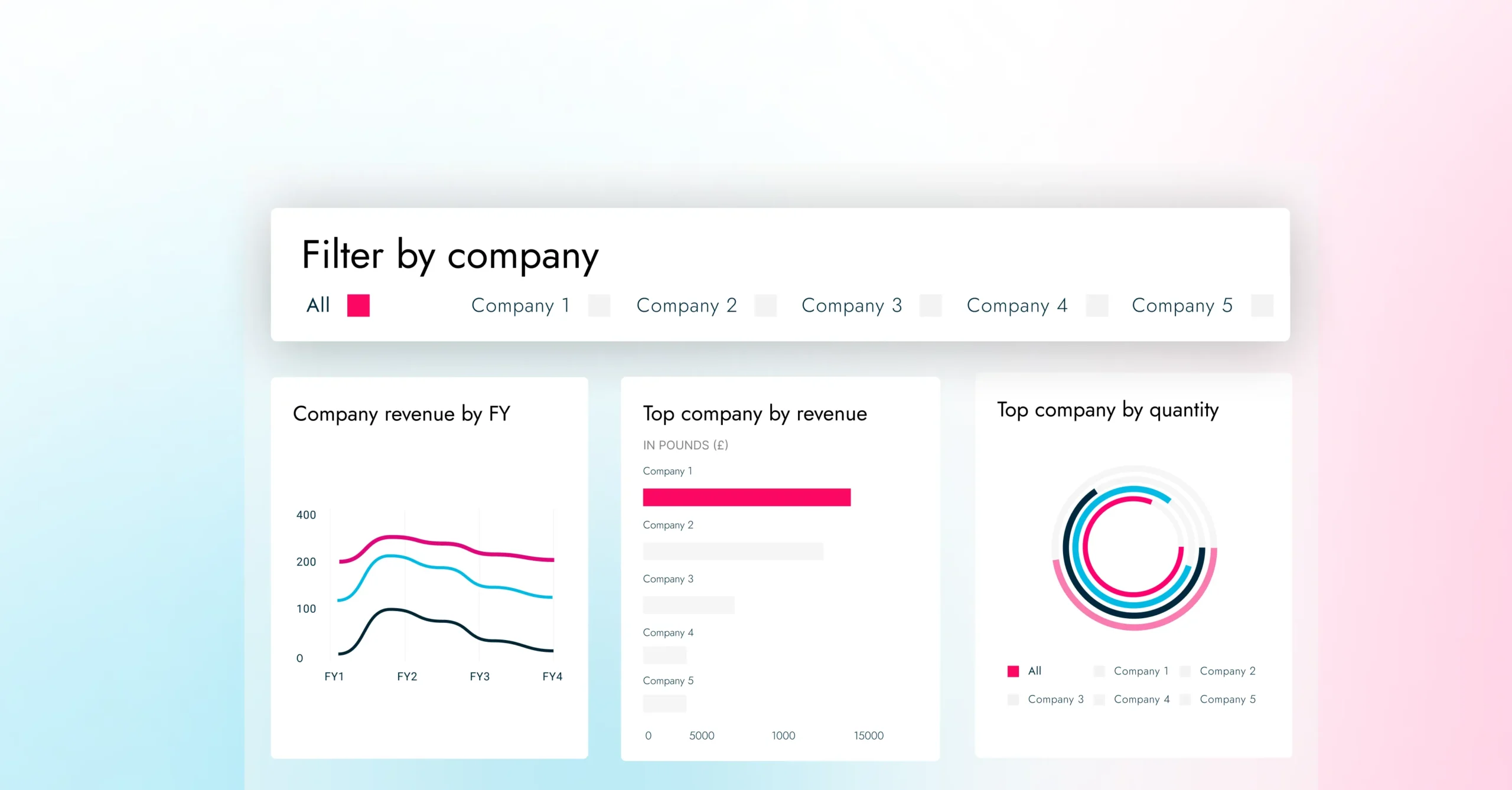
4. Real‑Time Financial Reporting and Dashboards
Customizable dashboards display key performance indicators (KPIs) such as profit margins, cash burn rate, and days sales outstanding (DSO). Reports can be exported in PDF, Excel, or CSV formats, meeting both internal and regulatory requirements.
5. Multi‑Currency and Tax Compliance
For businesses operating across borders, Reddybook supports multiple currencies with automatic conversion rates and tax calculation modules that adapt to regional regulations, including GST, VAT, and sales tax.
6. Role‑Based Permissions and Audit Trails
Security is paramount. Administrators can assign role‑specific permissions, ensuring that employees only see data relevant to their function. Every action is logged, creating an immutable audit trail for compliance audits.
The Strategic Advantage of Reddy Book Win
While Reddybook provides the technology backbone, Reddy Book Win represents a curated set of services and add‑ons that enhance the platform’s value proposition:
- Implementation Support: A dedicated onboarding team guides businesses through data migration, configuration, and staff training.
- Expert Advisory: Access to certified accountants and financial analysts for periodic reviews, ensuring optimal use of the system.
- Custom Integration Packages: Seamless connectivity with ERP, CRM, and e‑commerce platforms such as SAP, Zoho, and Shopify.
- Performance Guarantees: Service level agreements (SLAs) that promise 99.9% uptime and rapid issue resolution.
By leveraging Reddy Book Win, organizations not only adopt a robust bookkeeping solution but also gain a strategic partner committed to continuous improvement.
Implementation Roadmap: From Legacy Systems to Reddybook
Transitioning to a new bookkeeping platform can seem daunting. Below is a step‑by‑step roadmap that outlines best practices for a smooth migration:
- Needs Assessment: Conduct a thorough audit of existing financial processes, identifying pain points and performance gaps.
- Data Cleansing: Before importing, reconcile and cleanse legacy data to eliminate duplicate or erroneous entries.
- Pilot Program: Deploy Reddybook with a single department or subsidiary to test workflows and gather feedback.
- Full‑Scale Migration: Utilize the migration tools provided by Reddy Book Win to import data, configure bank feeds, and set up user roles.
- Training & Change Management: Conduct hands‑on workshops, webinars, and create reference guides to accelerate user adoption.
- Continuous Monitoring: Leverage built‑in analytics to monitor transaction accuracy, reconciliation times, and system usage metrics.
- Optimization: Periodically review processes with the advisory team to refine automation rules and improve reporting structures.
Security and Compliance: Protecting Your Financial Data
Data security is non‑negotiable in financial software. Reddybook adheres to industry‑standard protocols:
- Encryption at Rest and in Transit: AES‑256 encryption safeguards stored data, while TLS 1.3 secures data transmission.
- ISO 27001 Certification: Independent audits confirm robust information security management.
- Two‑Factor Authentication (2FA): Mandatory for all admin accounts, reducing the risk of credential theft.
- Regular Penetration Testing: Quarterly tests identify and remediate potential vulnerabilities.
Additionally, compliance modules ensure that financial statements meet local statutory requirements, making audit preparation faster and less stressful.
Case Studies: Real‑World Impact of Reddybook and Reddy Book Win
1. Tech Startup Scaling Rapidly
A Bangalore‑based SaaS startup expanded from 10 to 150 employees within 18 months. Manual spreadsheets became a bottleneck, leading to delayed expense reimbursements and inaccurate cash forecasts. After implementing Reddy Book Win, the finance team automated 75% of data entry, reduced month‑end close time from 7 days to 2 days, and improved cash flow visibility, enabling timely capital raises.
2. Manufacturing Firm Achieving Global Compliance
A mid‑size manufacturing company with operations in India, the UAE, and Singapore needed to handle multiple tax regimes. Switching to Reddybook allowed the firm to automate GST, VAT, and sales tax calculations across jurisdictions. The integrated audit trail helped pass a rigorous external audit without any penalties.
3. Non‑Profit Organization Enhancing Transparency
A non‑profit managing donor funds required transparent reporting. By using Reddy Book Win, the organization generated donor‑specific expense reports in real time, improving stakeholder trust and increasing repeat donations by 22%.
Cost‑Benefit Analysis: ROI of Implementing Reddybook
Financial decision‑makers often ask, “What is the return on investment?” Below is a simplified model based on average user data:
| Metric | Traditional Method | Reddybook Solution |
|---|---|---|
| Average monthly bookkeeping hours | 120 hrs | 35 hrs |
| Average hourly cost (incl. overhead) | $30 | $30 |
| Monthly labor cost | $3,600 | $1,050 |
| Software subscription (annual) | $0 | $1,800 |
| Net annual savings | — | $24,900 |
Beyond labor savings, the platform reduces errors that could lead to fines, enhances cash‑flow forecasting, and provides strategic insights that foster revenue growth.
Getting Started: How to Evaluate and Purchase
- Request a Demo: Visit the official website and schedule a live walkthrough.
- Assess Feature Fit: Map your business processes against the feature matrix.
- Calculate Total Cost of Ownership (TCO): Include subscription, migration, and optional advisory services.
- Trial Period: Take advantage of the 30‑day free trial to test real‑world usage.
- Finalize Contract: Review service level agreements and data protection clauses.
For organizations ready to modernize their financial operations, Reddy Book Win offers a seamless pathway to digital transformation.
Future Roadmap: What’s Next for Reddybook?
The development team has outlined several upcoming enhancements:
- Artificial Intelligence‑Driven Forecasting: Predictive analytics to model cash flow under various scenarios.
- Blockchain‑Based Transaction Verification: Immutable records for high‑value contracts.
- Extended Marketplace Integrations: Direct links with emerging e‑commerce platforms and fintech services.
- Voice‑Activated Data Entry: Hands‑free entry using natural language processing.
These innovations signal a commitment to staying at the forefront of fintech, ensuring that users continue to reap competitive advantages.
Conclusion
In an era where data-driven decision‑making is essential, Reddybook stands out as a comprehensive, secure, and user‑centric bookkeeping platform. Coupled with the strategic services of Reddy Book Win, businesses can transition smoothly from legacy systems, achieve regulatory compliance, and unlock actionable financial insights. Whether you’re a high‑growth startup, an established manufacturing firm, or a non‑profit seeking transparency, the platform’s scalability and robust feature set make it a worthy investment.
Embracing digital bookkeeping is no longer a luxury—it’s a necessity for sustainable growth. With Reddybook, organizations can automate the mundane, focus on strategic initiatives, and confidently navigate the financial complexities of today’s global market.